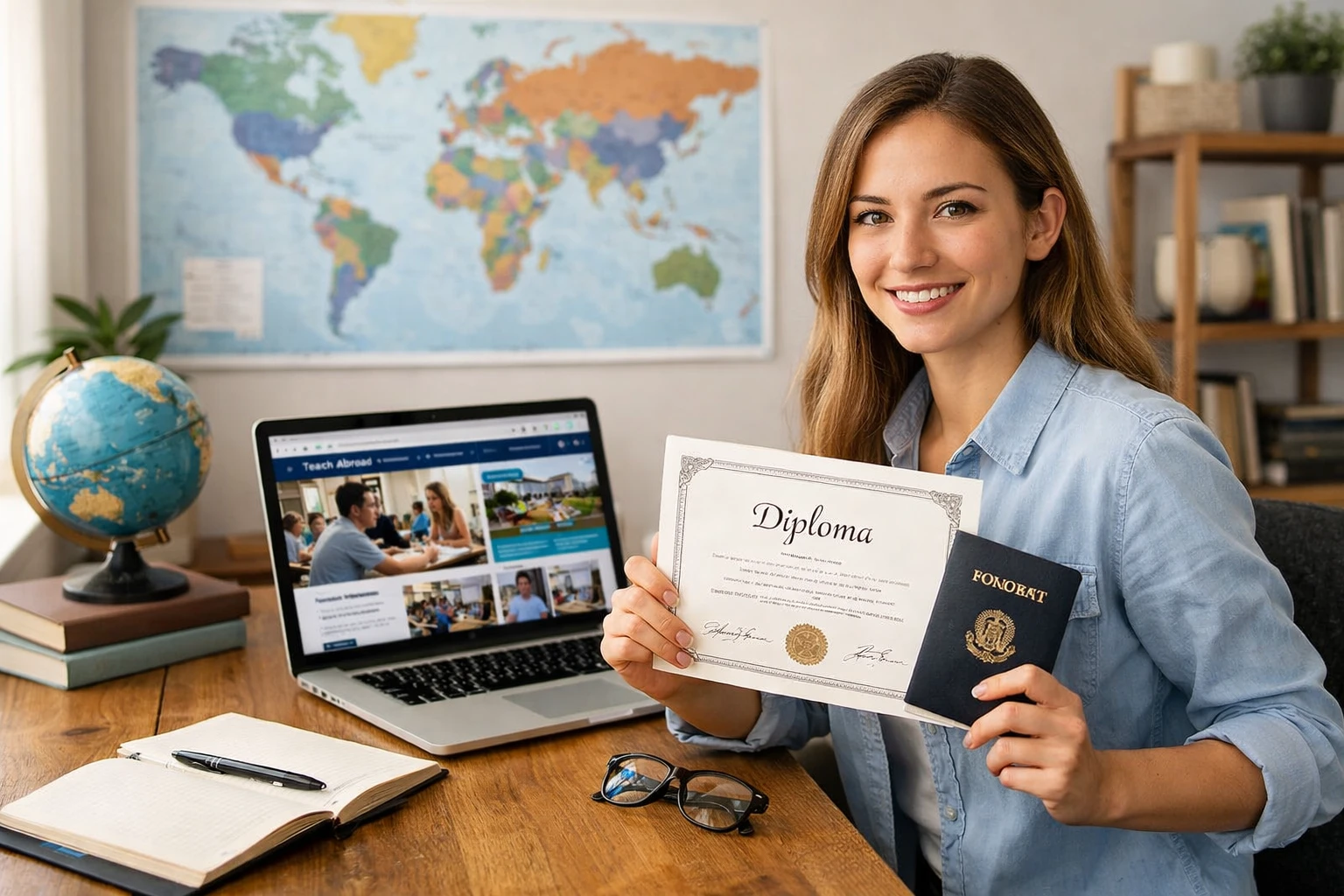
graduate teaching roles

The Hidden Barriers Keeping Graduates Out of International Teaching Jobs

Landing graduate teaching roles in international schools sounds like the perfect next step after finishing your degree. You get to travel, work with diverse students, and build your career in education.

The reality? You'll face obstacles that nobody mentions during career planning sessions or in those glossy recruitment emails. Some are about paperwork, others about money, and a few catch you completely off guard.

This guide covers the barriers that stop qualified teachers before they even reach the interview stage. You'll learn what actually stands in your way so you can plan around these issues instead of discovering them too late.

Why Credential Recognition Stops Graduate Teaching Roles

Credential recognition evaluates your foreign degree against local education standards. The process takes 3–6 months and costs over $1,000 before you can apply to schools. Most graduates don't plan for either, and it often leads to three problems.

Different Countries Value Your Degree Differently

Evaluation agencies use different frameworks to assess qualifications, so results vary across countries. Your bachelor's degree might be recognized as a diploma in some regions, which downgrades your credentials entirely.

Credit hour mismatches create similar problems. Your four-year university program could be valued as three years elsewhere because coursework requirements don't match what certain countries expect for teaching positions. A master's degree from the UK might not carry the same weight in Asia or the Middle East.

Local Certification Requirements Add Years to Your Timeline

Local Certification Requirements Add Years to Your Timeline

Many countries require local teaching certification on top of your existing degree. University programs rarely mention this during enrollment, so graduates only discover it when applying to schools abroad.

You're looking at 12-18 months for certification programs, plus thousands more in costs once you find out. Each country requires specific exams tied to its education system. Schools won't interview candidates without in-country certification, which eliminates you immediately, regardless of your qualifications.

Processing Delays Cost You Job Opportunities

Document evaluation alone takes 8-12 weeks before certification steps even begin. Schools fill teaching roles in 4-6 weeks, so your qualifications often sit in review while positions disappear.

We've worked with graduates for 15 years, and timing ruins more opportunities than anything else. Rush processing fees add $500-800 to speed things slightly, but even paying extra might not save a time-sensitive role. By the time your paperwork clears, the position is gone.

The Money Problem Everyone Skips Over

The average graduate spends $5,000-7,000 just to start an international teaching position before earning a single paycheck. That number catches most people off guard because nobody mentions it during those exciting job interviews.

So where does it all go? The first expense is credential evaluation services at $200-400 per degree, and you'll need multiple copies for different applications. That's not all. Each evaluation covers one institution, so if you have both undergraduate and graduate credentials from separate universities, you're paying twice.

When you factor in visa costs, the expenses keep climbing. Application fees run $300-1,000, depending on the country. Medical exams and background checks? That’s another $400. Some positions also need apostille stamps on documents, and that adds $20-50 per paper.

The real wallet-drainer is relocation itself. You're looking at $3,000-5,000 covering flights, temporary housing, furniture, and security deposits.

While many teaching jobs abroad offer benefits like housing allowances, those usually kick in after you arrive and complete paperwork. And that's all before you've earned your first paycheck. The salary range for entry positions might look good on paper, but upfront costs can break the bank if you haven't saved aggressively beforehand.

Visa Roadblocks That End Careers Before They Start

Visa Roadblocks That End Careers Before They Start

Visa complications end more teaching careers than rejections do. Schools discover sponsorship issues only after deciding to hire you, which wastes months of your time.

There are five specific roadblocks that stop qualified graduates:

  • Labor Market Testing Requirements: Schools must prove that no local candidates qualify before sponsoring you. This process takes 2-4 months minimum because immigration laws require detailed documentation showing the school has exhausted its personnel search locally first.
  • Quota Limitations: Visa quotas fill up fast in popular teaching destinations. Countries like Canada have annual caps on work permits for education positions, so schools can't hire you even when they want to. Once those numbers hit, job opportunities disappear regardless of qualifications (and there's nothing you can do about it).
  • Processing Delays: You could lose a confirmed job offer because your paperwork didn't clear on time. Schools need teachers to start on specific dates to maintain compliance with their academic calendar. Miss that window, and they move to the next candidate.
  • Changing Documentation Rules: Document requirements shift without notice. Suddenly, you're scrambling to gather new paperwork and pay additional fees. One country might require notarized translations, while another adds biometric screenings.
  • Exit-Entry Requirements: Some countries require you to exit and re-enter for visa stamping. This adds travel costs and risks to an already stressful job search.

You can't control visa quotas or processing times, but knowing these exist helps you target realistic opportunities instead of wasting months on dead ends.

Can You Teach Without Perfect Fluency?

It depends on the school, but most expect near-native fluency in their language of instruction, even if you studied your entire master's degree in that language.

The issue isn't reading textbooks or writing lesson plans. Parent communication requires cultural nuance beyond textbook language, and interviews often expose these gaps. You might explain a student's progress perfectly in academic terms, but families want conversational explanations that feel natural and reassuring.

Colleagues use local idioms and informal language in meetings too. When teachers discuss classroom management strategies or education policies, they're not using the formal instruction language you learned in coursework. The gap between your master's degree language skills and workplace language becomes obvious quickly.

International schools need teachers who can handle parent complaints, lead staff meetings, and explain complex concepts to students using everyday language. Academic fluency doesn't automatically translate to that.

Graduate Assistantships vs. Full Teaching Positions

Graduate Assistantships vs. Full Teaching Positions

Graduate assistantships ease you into teaching, but international schools need someone managing 150 students across five classes without supervision.

The gap between these roles is bigger than most graduate students realize. Here's what actually separates them:

Graduate AssistantshipsInternational Teaching Positions 
Support one instructor's curriculum Develop an entire curriculum independently 
Teach 10-15 hours per week Handle 25-30 contact hours plus duties 
Receive structured supervision daily Make classroom decisions alone 
Focus on one or two classesManage 5-6 different classes 
Limited parent communication Regular parent meetings and updates 

Graduate assistantships involve supporting one professor's curriculum, while international positions demand developing entire programs independently. That change alone overwhelms most graduates because you go from implementing someone else's plan to creating everything from scratch.

The supervision structure changes completely, too. Assistantships give you daily feedback and guidance, but international schools expect you to manage classrooms alone. When a lesson fails, or a student struggles, there's no experienced teacher down the hall to consult (you're it).

On top of that, you're facing twice the workload. Teaching 10-15 hours per week as an assistant doesn't prepare you for 25-30 contact hours plus administrative duties, parent meetings, and full responsibility for student outcomes. The workload gap hits harder than the teaching gap.

From our experience helping graduates find jobs, the shock usually hits around week three when they're handling everything solo.

Family Ties: The Relocation Challenge Nobody Mentions

Moving abroad means missing family milestones like weddings, births, and emergencies when you're thousands of miles away. Video calls help, but they don't replace being there when your sister has a baby or your parent gets sick. Unlike a gap year or semester abroad, this distance isn't temporary.

The impact extends beyond your own family ties. If you're married or in a committed relationship, your partner's career becomes part of the equation. One of you lands the teaching job while the other can't work legally for months or years. Your household suddenly runs on a single income in an unfamiliar country with different costs of living.

For those with children, the stakes get higher. Finding good schools, helping kids adapt to a new culture and language, and managing their emotional adjustment while you're also adjusting. It all compounds.

Some graduates even turn down excellent teaching positions simply because the family logistics don't work, regardless of how attractive the job itself looks.

Why Schools Want Experience You Don't Have Yet

Why Schools Want Experience You Don't Have Yet

You're applying for teaching jobs abroad, and every posting has a 2-year experience requirement. Feels frustrating, right? Well, that's because many international schools won't even look at fresh graduates.

The reason comes down to risk. Research on international school recruitment shows that prior full classroom responsibility is one of the strongest screening factors, even when candidates meet academic requirements.

That's why schools search for teachers who've already handled difficult parents, behavioral issues, and curriculum challenges in their home country. They can't afford to let you learn on the job with their students.

The positions you can actually get require experience you can't build without getting hired first. And your graduate assistantship hours don't count as real teaching experience on your resume. The result? You lose out to more experienced candidates even when you're otherwise qualified.

How to Build Your Profile While You're Still Here

These barriers stop graduate students from landing international teaching jobs, but understanding them puts you ahead of candidates who discover these issues too late. You can prepare for credential recognition timelines, save aggressively for upfront costs, and research visa requirements before applying.

Start building relevant experience now. Volunteer in local schools, take on full classroom responsibilities where possible, and develop skills that distinguish you from other graduates. Target countries with more flexible requirements or look into programs that help recent educators gain the experience schools want.

At Arizona-Observatory, we've been helping graduates find international teaching positions for 15 years. We match your qualifications to realistic opportunities and help you build the profile schools actually want. Get in touch to see how we can support your job search.

Student Career Tips for Landing Your First Job

Career Tips for University Students Entering the Job Market

You finished college with solid grades and a degree in hand. Now what? The reality hits fast when you see dozens of students applying for the same entry-level job postings you're interested in.

Believe it or not, landing that first role feels harder than you expected, even with strong academic performance.

These student career tips will show you how to stand out. You'll learn how to build an attractive resume, use internships to gain experience employers want, and connect with the right people who can help your career. You'll also see what data shows about successful job market launches.

If you're stepping into the professional world for the first time, keep reading to learn everything you need to know about starting your career on the right foot.

Building a Resume That Opens Doors

Staring at a blank document feels overwhelming when you've never written a resume before. You're probably worried you don't have enough to include. Trust us when we say that you likely have more than you realize.

Start With What You Have

Campus involvement counts as real experience.

Group projects for your major show teamwork, while volunteer activities demonstrate commitment. Leadership roles in student organizations prove you can manage responsibilities, and even part-time job positions teach valuable skills that employers want to see.

The truth is, recruiters care about what you learned and how you grew, not just fancy job titles. Data shows that demonstrating your abilities carries more weight than having years of formal employment listed.

Format for Readability, Not Creativity

Hiring managers review hundreds of resumes daily. You must be wondering, but how? They spend just a few seconds on each one before deciding to keep reading or move on.

That’s why a clean layout with clear sections beats elaborate designs every time. Thus, we recommend that you stick with standard fonts and use bullet points to highlight accomplishments. Remember to leave enough white space so your content doesn't feel cramped or hard to scan.

Customize Every Application

The same generic resume sent to every company wastes everyone's time. Instead, read each job posting carefully and note which skills they emphasize. Then adjust your resume to highlight relevant experiences that match what they need.

Note that customizing shows genuine interest rather than a generic approach to applying. Plus, a strong resume opens doors, and internships give you real experience to back up what you've written.

Why Internships Give You the Edge

Intern writing notes during mentorship in modern office

A polished resume helps you get noticed, but employers want proof. This is where internships help! They provide exactly that kind of proof.

The numbers tell us that college students who complete internships land jobs faster than those who skip them. Why? Internships let you gain experience in real work settings before you even graduate.

Think of internships as extended job interviews. Companies get to watch how you handle actual responsibilities over weeks or months.

During internships, you'll learn how the industry works, pick up skills your courses didn't teach, and see how different organisations run their operations. Meanwhile, employers observe how you collaborate with teams, handle deadlines, and respond when problems pop up.

What’s more, internships help you determine what you want to do with your career. You might love the field you studied, or you might realise you need to explore other options before committing.

Either way, finding out early beats accepting a job you'll regret six months later.

Network Your Way to Better Opportunities

Professionals networking and shaking hands at modern event

Networking sounds intimidating if you've never done it before. Let’s be honest, you don't need to be naturally outgoing to build professional connections. You just need to be intentional about who you talk to and how you follow up.

Four practical ways to expand your professional circle:

  • LinkedIn profiles: Upload a professional photo and write a headline that clearly describes your goals. Recruiters use websites such as LinkedIn constantly to find candidates, so a complete profile makes you easier to discover.
  • Informational conversations: Most professionals appreciate when students show genuine curiosity about their work. Therefore, we suggest that you contact individuals in fields that interest you, ask for a 20-minute meeting, and prepare specific questions. Don’t forget to follow up with a thank-you note afterwards.
  • Career fairs: Job fairs and alumni panels happen regularly at most universities. Here’s a tip: show up with researched questions about the companies attending. Our intel tells us that many employers prefer meeting students face-to-face before reviewing their resumes online.
  • Alumni connections: Your university gives you access to graduates working across countless industries, which is easier to tap into than you might think. Search LinkedIn or use your college's alumni directory to find people in roles you want.

One good conversation can open doors you didn't know existed. So, start building these connections now instead of waiting until you need a job.

What Employers Find When They Google You

Recruiter checking candidate profile online before interview

Before you land an interview, employers have already checked you out online. They search for candidates on Google and review social media before making hiring decisions. What they discover affects whether you get called back.

Start with these steps to manage your online presence:

  • Search yourself on Google: Old posts, tagged photos, or forgotten comments might still appear on the first page. You should remove anything that looks unprofessional or adjust your privacy settings immediately to control what recruiters see.
  • Audit your social media: Hiring managers review accounts the same way they review resumes. So, always present yourself as someone organizations would confidently hire without erasing your entire personality.
  • Build your professional profile: LinkedIn profiles that stay current and share relevant content catch recruiters' attention. Portfolio sites work well for creative fields. The goal is to ensure employers find positive information when looking up online resources instead of concerning content.

Your digital footprint sticks with you throughout your career, which is why we recommend taking control now. It will save you from awkward conversations during interviews later.

What Data Shows About Getting Hired

Your digital presence plays a role, but understanding what leads to job offers helps you focus your efforts where they count most.

Quality Beats Quantity in Applications

Students who apply to fewer jobs but customize each application have better success rates than those who send out hundreds of generic resumes.

Why does this work? Employers can tell when you've researched their company and tailored your materials. Our research found that tailored resumes generate approximately twice the interview opportunities compared to generic submissions.

Timing Your Search Right

Most organizations post entry-level job postings between January and March for spring graduates, then again in September and October. The pattern repeats year after year, so you can plan around these hiring cycles.

Applying during these peak windows puts you in front of recruiters when they're actively filling multiple positions at once. More open roles mean faster response times and better chances of landing interviews.

Skills That Get You Hired

College students often focus on technical skills from their major, but here's what employers care about instead. Communication skills, problem-solving, and the ability to work in teams consistently rank as the top three factors in hiring decisions.

LinkedIn's 2019 Global Talent Trends report found that 92% of employers value soft skills equally to hard skills, or even place them higher when evaluating candidates.

Understanding these patterns helps you approach your job search strategically instead of feeling overwhelmed by the process.

Your Career Journey Starts with One Smart Move

You've learned how to build a resume that stands out, why internships open doors, how networking creates opportunities, and what employers look for online. These career tips give you a clear path forward.

You don't need to do everything at once. Pick one action to take today. Update your resume. Research internships in your field. Small steps lead to bigger results.

Arizona Observatory has spent 15 years helping college students launch successful careers. We know how competitive the job market has become. Our services include resume writing, interview preparation, and personalized career guidance.

Ready to start your career on the right foot? Contact us to learn how we can support your goals and help you land the job you want.

What Employers Look for in Candidates

What Employers Look for in Entry-Level Candidates

Are you confused about what employers' expectations of graduates are? Welcome to the team! Many new job candidates think grades will open every door. The truth is, employers value much more than numbers on a transcript.

In this article, we’ll break down the real employer expectations graduates should prepare for, including:

  • Which soft and hard skills do employers care about most?
  • How communication skills make you stand out.
  • Why critical thinking and problem-solving skills matter.
  • The role of emotional intelligence and interpersonal attributes.
  • What hiring managers expect from an entry-level job candidate beyond technical skills.

So, if you’re ready to land your first job, stick around. This guide will help you shape your path forward.

The Skills Employers Value Most: Soft and Digital

employers' expectations of graduates

Every entry-level job candidate walks in with a degree, but not everyone shows the personal attributes and technical skills employers look for. To stand out, you need both.

Adaptability and Teamwork

Employers want graduates who can handle sudden changes without losing focus. Adaptability means you can keep up with new systems or switch gears when projects shift direction.

Pair that with teamwork, and you show employers you can support coworkers, resolve conflicts, and contribute in fast-paced environments. These qualities are what make you reliable in the workplace.

Enthusiasm and Communication

A positive attitude tells hiring managers you’re coachable and open to new ideas. It also shows you’re ready to learn and willing to take guidance.

Now, put that together with strong communication skills, and enthusiasm becomes even more valuable. From speaking clearly in meetings to writing polished emails, these habits show employers you’re ready for responsibility.

Digital Skills You Can’t Skip

Beyond people skills, employers expect graduates to be comfortable with core computer skills. You should know the common tools most companies rely on, such as Google Drive and Microsoft Office. Companies use spreadsheets to organize and prioritize tasks, and they use word processors to create polished documents.

Email and calendar tools keep projects moving and track deadlines. These may sound basic, but hiring managers often see job candidates stumble here. Being confident with these tools shows you can work effectively and meet expectations.

Master these abilities, then let’s move forward to the one skill that ties them together: communication.

Employers' Expectations of Graduates: Strong Communication Skills

Communication is often the very first thing hiring managers notice about job candidates. The way you share ideas, listen to others, and respond in conversations says a lot about how you’ll perform in the workplace.

  • Clear writing: Employers read dozens of resumes and emails every day. If yours is easy to follow, you’re already ahead. A simple tip is to keep sentences short and active. For example, “Organized weekly reports for team review” sounds sharper than “I was responsible for organizing weekly reports.”
  • Confident speaking: You don’t need to sound like a polished speaker. What matters is clarity and tone. In a job interview, share your ideas in a respectful manner and avoid rushing. A helpful trick is to pause for a second after a question. It shows confidence and gives you time to think.
  • Listening closely: Everyone appreciates being heard. When you pay attention to coworkers, repeat back key points, or ask a quick follow-up, it shows respect and builds trust. Employers see this as a strong interpersonal skill that leads to positive relationships in the workplace.

The takeaway is simple. Strong communication skills make you appear dependable and easy to work with. Once you feel confident enough to express yourself, the next step is to show real problem-solving skills.

Critical Thinking: Turning Problems into Solutions

Problem-solving in Action

No employer wants a new hire who waits around for instructions. They want graduates who can step in, look at a challenge, and find solutions. That’s where critical thinking comes in. At its core, critical thinking is using logic, weighing options, and making informed decisions instead of guessing.

Take a group project as an example. Maybe your team was falling behind, so you suggested breaking tasks into smaller pieces. That simple idea kept the project moving and helped everyone meet deadlines. Employers see this as problem-solving in action, even if it happened in school instead of the workplace.

The best way to show this in a job interview is by using the STAR method. Start with the Situation, explain the problem you faced. Then describe the Task, the Action you took, and the Result you achieved.

Keeping it in this order makes your story easy to follow and proves you can solve problems under pressure.

Strong thinkers often succeed faster. But the real advantage comes when you can pair those thinking skills with emotional intelligence. This shows employers how you handle both people and tasks.

Emotional Intelligence and Interpersonal Attributes

Technical knowledge can get you noticed, but emotional intelligence is what makes you stand out. Employers value graduates who can manage themselves and connect with others in the workplace.

Self-awareness is the starting point. When you notice your own stress and manage it, like pausing to breathe before answering a tough job interview question, you stay in control. From there, empathy helps you tune into what others are feeling, which builds stronger connections with teammates and coworkers.

When tensions rise, use conflict resolution to step in calmly and guide the team toward a respectful outcome.

These interpersonal attributes reassure employers that you can work well with others and signal that you’re ready for bigger responsibilities. And that’s exactly what recruiters look for when scanning entry-level candidates.

Entry-Level Job Qualities Recruiters Scan For

Time Management

Earlier, we mentioned that recruiters look beyond resumes and grades to see how candidates carry themselves. Let’s expand on that point. Small actions often reveal the qualities that matter most. For instance, arriving prepared for a job interview, listening carefully, and staying calm in fast-paced environments show reliability.

Coachability is often overlooked, but it’s one of the top qualities employers value. When you welcome feedback and put it into practice, you prove that you’re ready to grow.

Time management also plays a key role. Learning to prioritize tasks and meet deadlines shows discipline, while ownership and a strong work ethic highlight your ability to follow through.

A helpful tip is to prepare one story from school, volunteering, or part-time work that shows responsibility or growth. Sharing a short, specific example during your interview makes your qualities memorable for hiring managers.

Ready to Launch? Get Help from Arizona-Observatory

Landing your first job is exciting, but it can also feel intimidating. Every graduate faces the same challenge: proving to employers that they’re ready for real responsibilities. In this guide, we covered all the tips and tricks before your first job application and interview. The rest is up to you.

Are the nerves still getting to your head? Worried you might miss a point or stutter during the real interview?

At Arizona-Observatory, we’ve been guiding students for more than 15 years, helping them turn potential into success. We’ll work with you to sharpen your resume, build a cover letter that highlights your strengths, and practice job interview skills until you feel confident.

Our insight into the job market gives you a head start, because you’ll know where to focus your efforts and how to meet expectations right from the beginning.

Don’t wait until opportunities pass you by. Share your CV with us today, and let’s build the path that leads to your dream career.

5 recruitment processes employers commonly use to hire fresh graduates

Fresh graduates add creativity, new skills, and energy to a company. That’s why employers are always looking to recruit fresh graduates for to fill up their positions. Here are some common recruitment methods employers use to attract fresh graduates.

Print advertisements

1

These advertisements appear in national or local newspapers, magazines, bulletins, etc. You can reach huge prospective candidates through this method of recruitment. It is also possible to get candidates having specialized skills.

Internet recruiting

5

The advertisement is posted on the popular job sites. These job sites are very effective now in getting the right candidate. After candidates submit their CVs online, you can easily browse through their profile and CVs and shortlist the ones you want. The job sites have a set format for CV. So, you can get the important information you want regarding a candidate. It is a very cost effective way of recruiting.

Internships

4

It is a great way to look at a candidate’s performance on the job. Having good grades don’t mean that the person will be good at his or her job. By offering internship position, you can observe the person’s performance up close. It is a great way of hiring temporary employees also.

Recruitment agencies

3

These agencies have a huge database of students. They can help you choose the right candidate for your job post. They go through all the details about the candidate’s profile before shortlisting them. This saves the time of the employers in searching for a new employee.

Career fairs

2

This gives you the opportunity to interact informally with candidates. You will to interview lots of candidates in one day and speed up the recruitment process.

All these recruitment processes are highly effective. It helps the employers get the right candidate for their job position. The type of process they choose depends on their budget and time.

Top 5 reasons why a cover letter is important

A cover letter is essential along with your CV when you apply for a job. A cover letter can make a big impact on your business. It can increase your chance of being called for an interview. These are the main reasons why a cover letter is so important.

It tells about yourself

The ‘objective’ or ‘summary’ of your resume does the same thing but in a short form. In the body of the letter, you can use enough space to describe in detail about your experience and interests. It will help the employer decide whether you will be fit for the job or not.

Demonstrate your writing skill

Resumes are written in bullet forms and short statements. A cover letter lets employer look at your writing skill which is a basic need for any job.

Opportunity for highlighting your strength

A cover letter is a perfect place to sell your strengths. You can mention about your accomplishments and talents here. You can draw the employer’s attention to some noteworthy experiences you had; for example, arranging a charity event. These add more weight to your CV.

Shows your interest about the job

Those people who submit a resume without a cover letter shows that they are not serious about the job. So, you must include a cover letter.

You can take control

At the end of the cover letter, you can mention a date and time when you can meet the employer for an interview. This throws the ball in your court.

So now you see why a cover letter is so important. In fact, you don’t have much chance to get called for an interview if you don’t have a cover letter. So, make sure that you submit a cover letter along with your resume.