

Recruiters notice your sound, lighting, and punctuality before they hear your answers, and those first impressions influence how they assess you. Poor audio, distracting backgrounds, or a late login can interrupt the conversation and leave less time to demonstrate your skills.
The pressure is even greater for overseas roles because the team can't meet you in person to fix a shaky start. At Arizona Observatory, we encourage candidates to treat the interview setup as part of their professional presentation, alongside their experience and qualifications.
To help you prepare, this guide covers what to check before logging in and how to research the job and visa requirements. You'll also learn how to handle language gaps and prepare for questions about moving abroad.
Read on before your next call.
Log In Early and Check Your Setup: Remote Interview Preparation Tips

Good remote interview preparation starts with a tech check, especially when an international job interview involves different time zones. Even a short connection delay can make a confident answer sound hesitant, and the interviewer might not realise why.
To avoid such problems, test your internet connection on the same device and platform the company named in its invite. Log in 10 minutes early to give yourself time to fix a forced update or other technical issues before the call starts.
Once your connection is ready, light your face from the front and sit before a plain wall. For eye contact, look at the lens rather than the screen, even if it feels odd at first. If the company records the call, its privacy policy usually explains how long it keeps the video.
Before any of your video interviews, run through these five checks:
- Confirm the meeting time in your time zone and theirs.
- Test your mic, camera, and connection on the platform they chose.
- Put a light source in front of you.
- Silence your phone and close every other tab.
- Keep a printed copy of your resume and the job ad nearby.
Ticking off this list the night before will leave your nerves free for the questions themselves. On the day, spend five minutes reviewing your notes so the main points stay fresh before the interview.
Showing You've Done the Homework on the Role, Visa, and Relocation
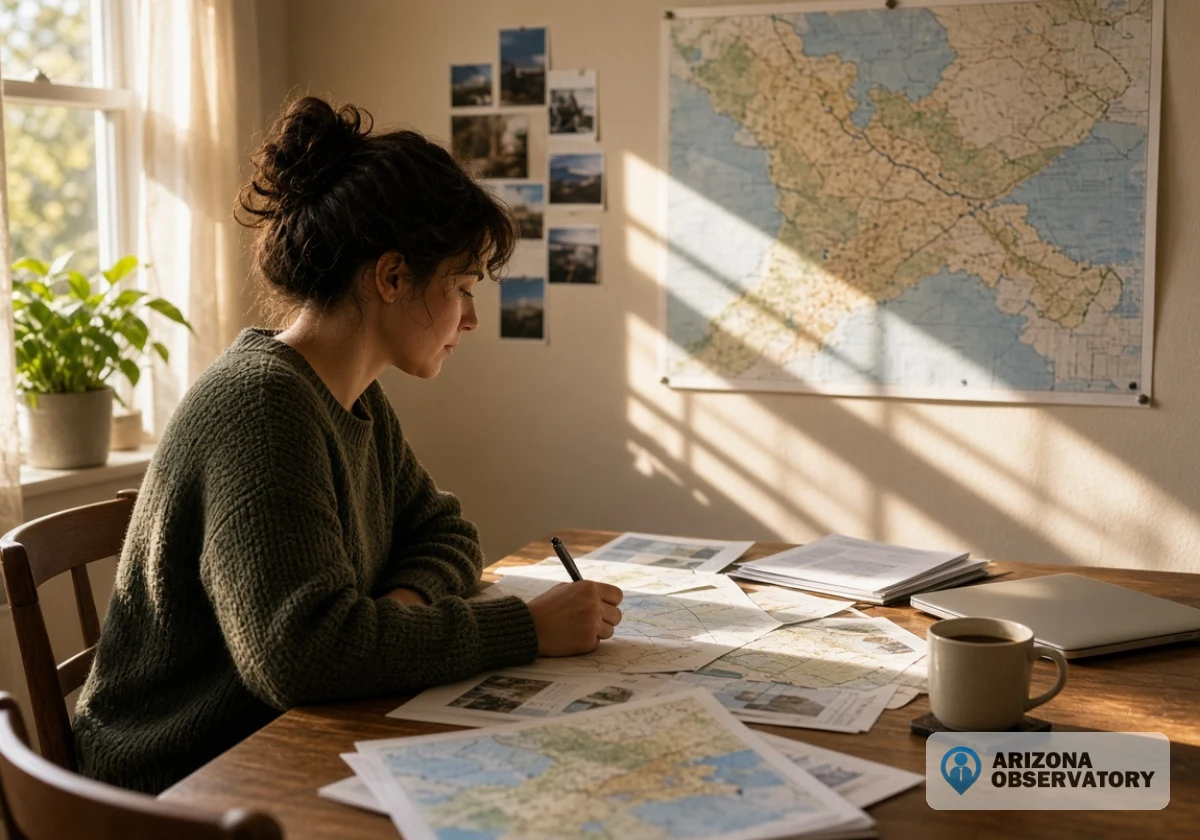
With your setup ready, the interviewer will assess how well you understand what moving abroad for this job involves. Candidates who research the local office, visa requirements, and relocation costs show they're serious about taking the role.
To prepare for those questions, focus your research on four areas that employers often discuss during overseas interviews.
Research the Company's Footprint in the Country You're Moving To
Start by checking how big the company's presence is in your destination. For example, a two-person sales office runs very differently from a regional headquarters.
To get a clearer picture, look at its local website, recent news, and staff profiles on LinkedIn. These sources will help you estimate how many people work there and which teams operate locally. Once you know more about the local office, bring one specific detail into your answer. It'll show you've researched the company's local operations beyond its global homepage.
What the Job Description Reveals About the Wider Team
The job listing often hints at who you'll work with each day. Phrases like "global stakeholders" or "regional reporting" suggest you'll work with international teams spread across offices.
Use those clues to choose a relevant example from your experience. Then pick a project where you worked with team members in other time zones.
After that, prepare one question about how the wider team shares work. A thoughtful question about collaboration shows the interviewer you're interested in how the team operates.
Visa Basics to Know Before the Recruiter Asks
Employers need to know early about your visa sponsorship needs, as these affect their hiring timeline and costs. Your right to work also determines their ability to hire you legally.
Before the interview, read the official immigration site for your destination and note the visa type that fits the role. Our guide to visa requirements for overseas placements explains the common routes for students and graduates.
With those requirements in mind, you can explain your ability to work in one clear sentence. A direct answer is stronger than "I'm still looking into it."
Cost of Living and Relocation: Have the Numbers Ready
When discussing salary with an overseas employer, knowing the cost of living in your new city helps you negotiate a fair offer. Higher rent, transport, and health insurance costs may mean you'll need a higher salary to cover your expenses.
Check two or three local rental sites before the call. Anyone who's moved abroad knows the first month often costs more because you'll need to cover flights, deposits, and temporary housing.
After that, compare your estimated living costs with the advertised salary to work out the minimum pay you'll need after taxes. You can then ask about relocation support to help cover your initial moving expenses.
How Do Language Barriers and Cultural Gaps Show Up in an Overseas Job Interview?
Language difficulties and cultural differences affect your speaking pace, your directness, and the small talk your interviewer expects. During overseas interviews, these differences can make your answers harder to understand and affect how recruiters assess your communication skills.
If English isn't your native language, work on the three areas below:
- Language Proficiency: Recruiters expect you to communicate your ideas clearly. Rather than saying "my language skills are fluent," give one example of using English abroad or at work. Practise your top three stories aloud until they flow.
- Directness and Tone: Some cultures prefer confident answers about results, while others prefer modest, team-focused language. To understand the company's preferred tone, study how its employees describe their work online and use a similar approach in your answers.
- Small Talk Expectations: In some offices, the opening chat counts toward the assessment. Prepare a short, friendly line about your week or the local weather. That habit will keep you calm before the harder questions start.
A friend who speaks the language well can run a role-play with you. They can check your clarity, tone, and comfort with small talk, then suggest areas to improve.
Prepare for the Questions That Only Come Up in an Overseas Job Interview

Once the language side feels steady, shift to the content of your answers. Every interview process includes common questions about strengths and experience, but a few only appear when you're moving countries.
One common question is, "Why do you want to work in this country?" Interviewers expect a clear reason for your choice and an explanation of why you're a good fit for the role.
Link your answer to the role and the place together. For example, name the growth in your field there, then add a personal tie such as family nearby or a language you're learning. Employers who invest in international careers for their staff read vague answers about travel as a sign you'll leave once the novelty fades.
On top of that, expect questions about how you've handled change before. Gap years, semesters abroad, or relocating to another country for previous work all count, because they show transferable skills like adaptability. We've found that one specific story about solving a problem somewhere unfamiliar lands better than a list of countries visited.
Finally, prepare two or three questions to ask at the end about onboarding, visa support, or working across time zones. Your questions should show the interviewer you've thought about settling into the role and working with the team after relocating.
Start Your International Career With a Setup Recruiters Remember
Recruiters form their first impressions early, so the opening minutes of any overseas job interview count as much as the answers. Good preparation helps you avoid technical problems, answer with confidence, and show employers you're serious about working abroad.
With these expectations in mind, start by checking your technical setup and researching the company and visa requirements. Then practise your answers, including questions about relocation, so you're ready to discuss your plans with confidence.
Your next international job interview deserves careful preparation. Contact Arizona Observatory for help with your CV, cover letter, and interview preparation. Our team supports students and graduates as they prepare to enter the job market.