

Wondering what skills you'll need to land a teaching job abroad in 2026? You're in the right place.
This guide will show you the global teacher skills that international schools and universities actually want. You'll also learn about global competence, digital learning, and why lifelong learning is now a top priority in an interconnected world.
With a global teacher shortage creating demand for skilled educators, teachers who build these skills now are setting themselves up for success. So if you want similar results, read on to learn what global schools are looking for in the right way.
What Are Global Teacher Skills?
The right skills open doors to teaching jobs around the world. And when we talk about global teacher skills, we mean the abilities that help you work with diverse students, connect across cultures, and collaborate beyond your classroom walls.
So what exactly are these skills? Let's go through the skills list one by one.
Global Competence in the Classroom
Global competence is the ability to teach across cultures and worldviews. Because of this, teachers connect with diverse students and bring global issues into the classroom.
You might be wondering what this looks like in practice. Well, teachers with this skill can guide students to see beyond their hometown and engage with the world around them.
Cultural Awareness and Communication
Teachers who learn cultural awareness build stronger relationships with students and families from all backgrounds. This skill helps you connect on a deeper level than surface-level knowledge ever could.
This kind of connection goes beyond holidays and traditions. It develops when you learn to adjust your teaching style for students from different walks of life. That's the reason many international schools now test teachers on cultural sensitivity during interviews.
Collaboration Across Borders
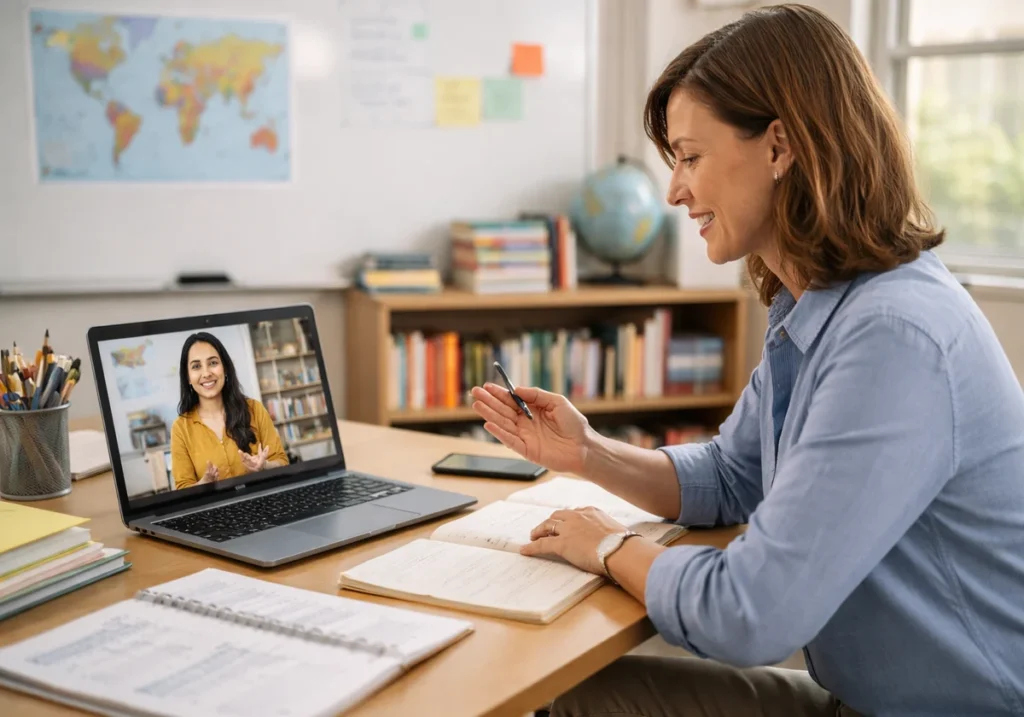
Cross-border collaboration is becoming the norm in education. A teacher in Texas can now co-plan lessons with an educator in Tokyo, which helps students gain a wider view of the world.
Virtual tools make this teamwork easy, even from your own classroom (and yes, we've all sat through those awkward Zoom calls with a 10-second delay).
Despite the small hiccups, the learning benefits are hard to ignore. Because of this, schools actively seek teachers who build international networks and bring fresh ideas back to their community.
Digital Learning and Personalized Teaching
Technology is changing how teachers teach and how students learn. And naturally, schools now expect educators to pick up new skills in digital learning and personalised teaching. These abilities help you use AI tools, adjust lessons for different learners, and make proper use of student data to help them in learning.
Read on to see how each skill works.
Technology as a Teaching Partner
Digital learning means using new technologies to support teaching, not replace teachers. Think of tech as a partner that handles the small stuff so you can focus on the concept.
Let's be honest here. Tech might not be every teacher's thing, but schools expect basic fluency now. That's why UNESCO's AI competency framework for teachers outlines what educators need to know about AI tools. And by 2026, schools expect teachers to feel comfortable using digital learning tools in their daily practice.
Personalized Learning for Every Student
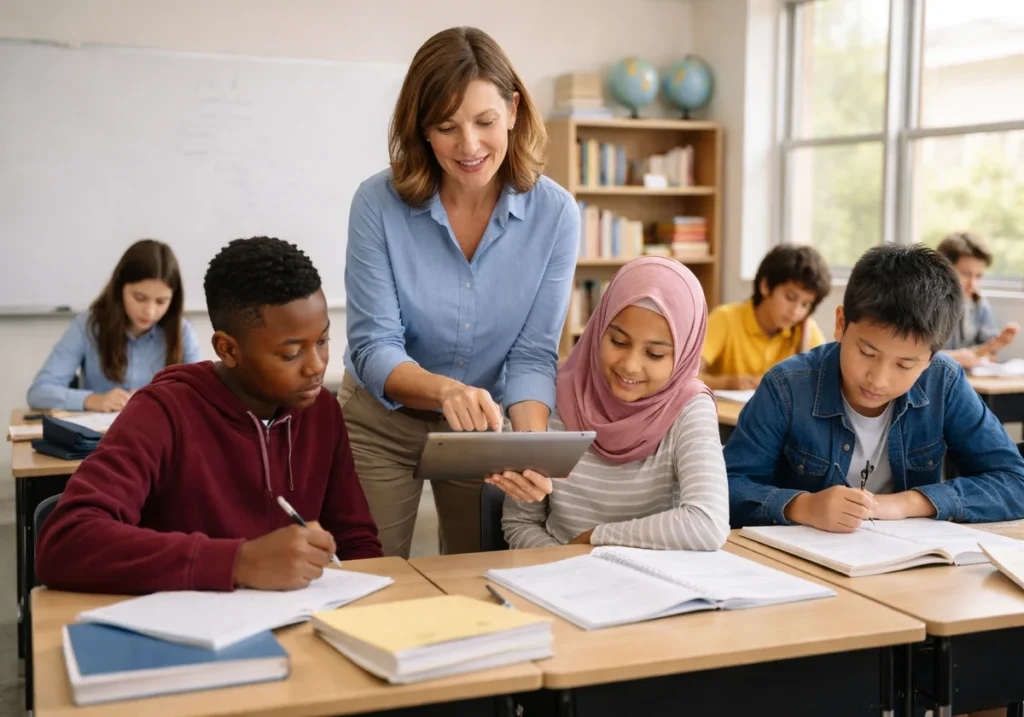
Personalised learning helps every student move at their own pace. This approach taps into project-based learning and creative thinking to meet each learner where they are. In turn, struggling students get the support they need, while advanced learners have room to keep growing.
It's no surprise that teachers with these strategies are in high demand. International schools actively look for educators who can adapt to every student's ability.
Data Literacy for Educators
With data literacy, teachers can identify struggling students early on. This skill helps you read student data, catch learning gaps, and make informed decisions before small issues shift to major ones (and no, gut feelings don't count as data anymore).
Because this ability is so valuable, many training programs now include data literacy as part of their curriculum. For this many training programs now include data literacy as part of their curriculum.
Lifelong Learning for Teachers: How to Stay Ahead
Lifelong learning keeps you current and allows you to adapt as the field changes. Schools know this, and that's why they value educators who keep investing in themselves year after year. This mindset keeps your skills sharp, your knowledge current, and your career on track.
Look at the three habits that help teachers stay ahead.
Professional Development That Works
Lifelong learning for teachers means ongoing training, not just a summer workshop every few years. Real growth happens when learning becomes a regular habit.
Today, the approach looks a bit different. Online courses, micro-credentials, and peer coaching are replacing outdated lecture-style sessions. And when these programs fit your schedule and financial resources, you end up with skills that actually last.
Adapting to Higher Education Trends
Universities are changing how they hire, and skills are being prioritized. This means students need better preparation before they finish school. And teachers are the ones who can give them that head start.
International schools already expect this from their educators. They want teachers who understand higher education trends and can pass that knowledge on. When you do this well, you help students build careers that last.
Building a Growth Mindset
Teaching isn't always smooth, and that's okay. A growth mindset gives you the ability to learn from rough patches instead of being dragged down by them.
This means staying curious about your own teaching. It also means being brave enough to bite the bullet and ask colleagues for honest feedback. Yes, it stings sometimes, but that feedback is fuel for getting better. Schools value educators who welcome change and keep sharpening their skills for the future.

Ready to Grow? Your Next Step Starts Here
The education world keeps evolving, and teachers who don't adapt risk falling behind. Because of this constant change, finding the right skills and opportunities can feel overwhelming. But with the right guidance and resources, landing a teaching role abroad in 2026 is within reach.
This article covered the skills that global schools want most: global competence, cultural awareness, digital learning, personalised teaching, and lifelong learning. These abilities set you apart in a competitive job market and prepare you to teach students anywhere in the world.
And you don't have to figure it out alone. Arizona-Observatory has been guiding teachers toward international roles for 15 years. If you're ready to take your career global, please get in touch with us today.